
The Valley, Anguilla · Business advisory & digital solutionsAnguilla Time ASTinfo@shocash.ai · WhatsApp +1 (264) 582-9163
Decision-specific business plans

Business Plan Preparation

The right business plan depends on the decision it must support. ShoCash prepares plans primarily for four real-world purposes: a business loan, a business licence, a business bank account, or investor consideration after feasibility.

WhatsApp about Business Plan Preparation →
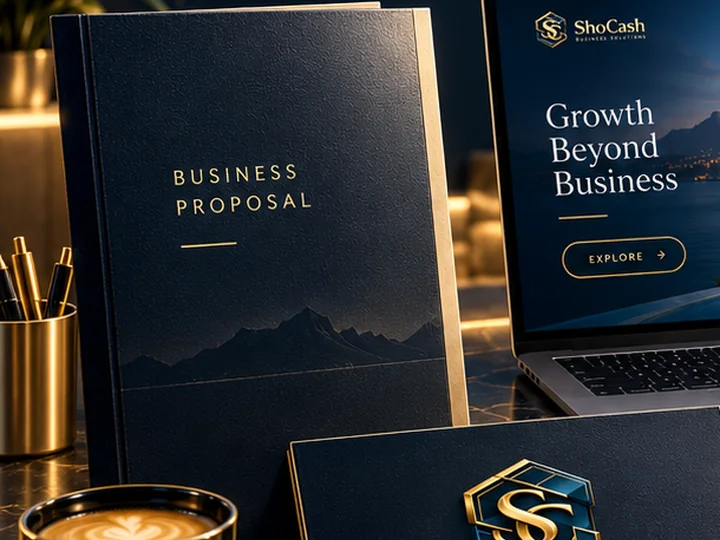
ShoCash business plan and proposal presentationView sample work →
The purpose changes the plan

Four decisions. Four versions of the business story.

A generic plan can contain the right facts and still fail to answer the real question. ShoCash changes the emphasis, evidence and financial presentation to fit the intended review.

01

For a business loan

The lender needs to understand what the business does, how much funding is required, exactly what the money will finance, and whether projected cash generation supports repayment.

  • Funding requirement and use of funds
  • Owner contribution where applicable
  • Sales, cost and cash-flow assumptions
  • Repayment capacity and financing logic
  • Management experience and operational readiness
Core question: can the business support the amount being requested?
02

For a business licence

The plan should explain the proposed activity clearly enough for the business to be understood as a real operating enterprise: what it will do, where, for whom and how it expects to trade.

  • Business activity and ownership
  • Location, staffing and operating model
  • Customers, products or services
  • Startup resources and revenue expectations
  • Commercial readiness to begin trading
Core question: what is this business and how will it operate?
03

For a business bank account

The bank needs a credible commercial picture of the business behind the account, including what transactions are expected and where the activity and startup funding come from.

  • Commercial purpose and business model
  • Expected customers and suppliers
  • Revenue sources and expected account activity
  • Ownership and management overview
  • Source of startup funding and operating context
Core question: does the account activity make sense for the stated business?
04

For investor consideration

Investor work should normally follow a feasibility study. First establish whether the opportunity is commercially worth pursuing; then convert that evidence into the investment proposition and execution plan.

  • Feasibility evidence and market opportunity
  • Capital required and use of investment
  • Business model and growth assumptions
  • Management, milestones and execution
  • Financial projections, risks and investor case
Core question: should capital be committed, and how will the venture create value?
Investor sequence

Feasibility asks “Should this project work?” The investor plan asks “How will we execute, finance and grow it?”

Keeping those two stages separate avoids using a polished plan to disguise an opportunity that has not yet been commercially tested.

See Feasibility Studies
Common plan components
  • Executive summary and business model
  • Owner and management background
  • Market, customer and competitor context
  • Operations, location and staffing
  • Startup or expansion costs
  • Revenue, expense and cash-flow assumptions
  • Three-year projections where appropriate
  • Funding, licensing, banking or investor narrative
Start with the reviewer

Tell us who needs to make the decision.

Loan officer, licensing authority, bank, investor or internal decision-maker — the audience determines the structure.

Start Business Plan Intake
WhatsApp ShoCash